Affordable Warmth: Finding Sauna-Like Benefits in Your Daily Life
Bring sauna-like warmth and wellness benefits into your daily life affordably. Discover simple ways to de-stress, relax, and rejuvenate, no expensive spa needed.
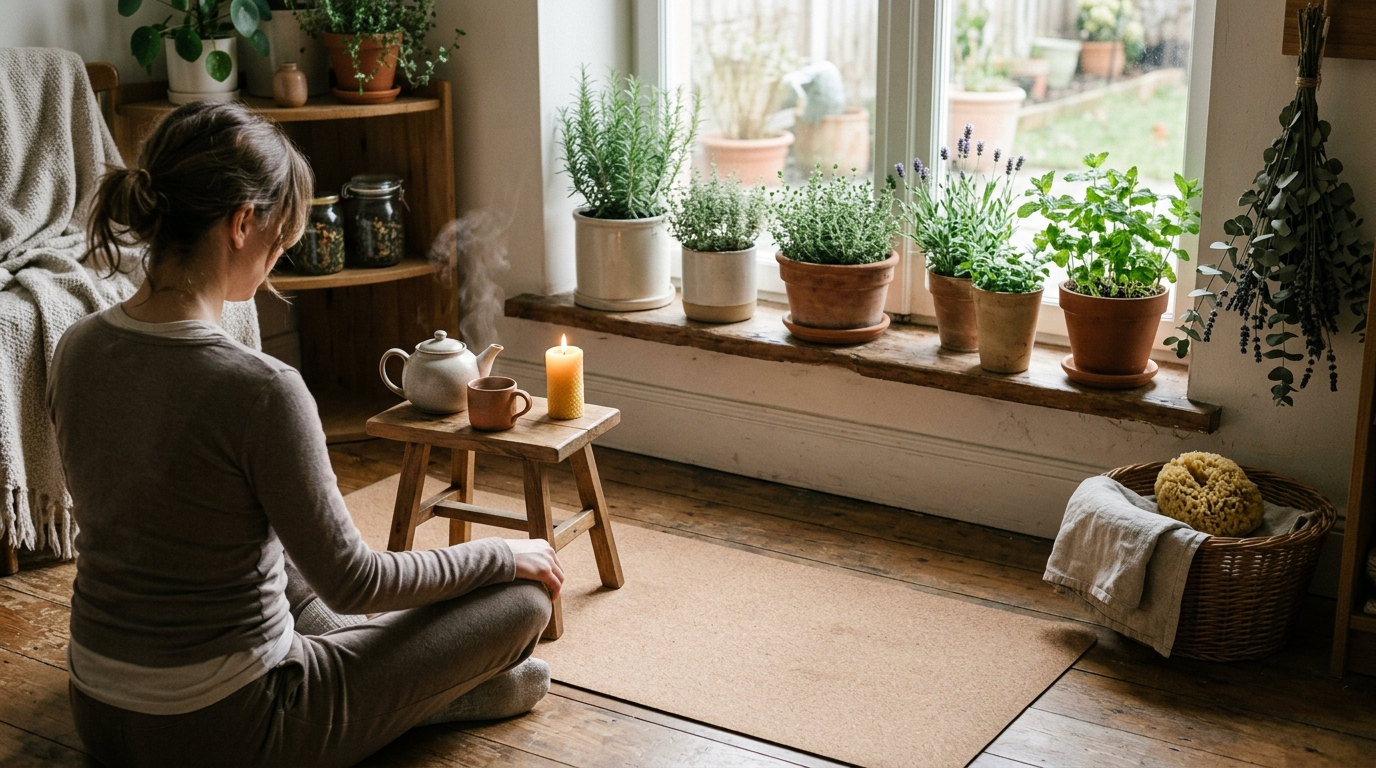
The quiet intensity of a sauna, the way heat seeps into muscles, dissolving tension and inviting a deep, restorative calm – it’s a profound experience. Yet, for many, the expense, space, or access to such dedicated facilities makes this form of therapeutic warmth a rare indulgence. What if we could cultivate some of these deeply comforting, health-supporting sensations and benefits within the rhythm of our daily lives, without needing a custom-built room or a membership? This exploration invites us to discover accessible ways to embrace “affordable warmth,” bringing sauna-like solace into our homes and routines, fostering well-being from the inside out.
The Science of Gentle Warmth and Release
The allure of a sauna isn’t just about escaping the cold; it’s rooted in physiological responses that promote healing and relaxation. When our bodies are exposed to therapeutic warmth, blood vessels dilate, improving circulation and delivering more oxygen and nutrients to tissues. This vasodilation helps ease muscle stiffness and reduce minor aches. The heat also prompts the release of endorphins, natural feel-good chemicals, and signals the parasympathetic nervous system – our “rest and digest” system – to activate. This shift away from the “fight or flight” response reduces stress hormones like cortisol, calming the mind and body. While a true sauna offers a unique, intense heat stress response that induces profuse sweating and specific cardiovascular adaptations, many of its benefits – enhanced circulation, muscle relaxation, and profound stress reduction – can be thoughtfully approached through gentler, more accessible means. Our aim here is to invite these states of comfort and repair without necessarily replicating the extreme heat.
Crafting Your Personal Warmth Ritual at Home
One of the most direct ways to infuse your day with therapeutic warmth is through intentional bathing and showering practices. These aren’t just about hygiene; they are opportunities for a mini-retreat.
The Art of the Warm Bath
A warm bath can be a sanctuary, a deliberate pause in the day. The ideal temperature isn’t scalding, but comfortably warm, allowing you to immerse yourself for 15-30 minutes without feeling overheated. Begin by dimming the lights, perhaps lighting a candle (safely, of course), and ensuring your phone is out of reach or on silent. As the water fills, consider adding Epsom salts, known for their magnesium content which can be absorbed through the skin, potentially aiding in muscle relaxation and easing tension. While often associated with “detox” claims, their primary benefit is in providing a soothing mineral bath. A few drops of pure essential oils, like lavender for relaxation or eucalyptus for a clearer mind, diffused in the air or added to a carrier oil before dispersing in the water, can enhance the sensory experience. As you slip into the water, focus on your breath. Feel the warmth enveloping your limbs, noticing any areas of tension and consciously inviting them to release into the water. This isn’t merely soaking; it’s an act of embodied presence and gentle self-care.
Steamy Showers for Quick Release
Even a quick shower can be transformed into a moment of therapeutic warmth. Close the bathroom door and windows to trap the steam, creating a mini steam room effect. Let the warm water cascade over your head and shoulders, imagining any worries or stress washing away. Take slow, deep breaths, allowing the warm, humid air to gently open your airways and calm your nervous system. For an added sensory lift, consider placing a few drops of a shower-safe essential oil (like peppermint or orange) onto the shower floor away from direct spray, or use a natural shower steamer that dissolves in the steam. Focus on the feeling of the water on your skin, the warmth penetrating your being, and the simple act of being present.
Targeted Warmth for Body and Mind
Not all warmth needs to be full-body immersion. Sometimes, specific areas benefit most from a focused application of heat.
Warm Compresses and Heated Pads
For localized discomfort, such as neck stiffness, lower back pain, or menstrual cramps, a warm compress or a reusable heated pad can be incredibly effective. The gentle, sustained heat helps to increase blood flow to the affected area, relaxing tight muscles and often providing significant pain relief. A simple warm compress can be made by soaking a clean cloth in warm water, wringing it out, and applying it. For something longer-lasting, a heat pack (electric or microwaveable rice/flaxseed bag) provides consistent warmth. For a tension headache, placing a warm, moist cloth over your forehead or the back of your neck can help soothe and relax the muscles contributing to the discomfort. These small acts of warmth are reminders to listen to our bodies’ subtle signals and respond with gentle care.
The Power of Warm Beverages
Beyond external application, consuming warm beverages can generate a comforting internal warmth, offering benefits that extend beyond simple hydration. Herbal teas like chamomile, ginger, or peppermint not only provide warmth but also often contain compounds with soothing properties. Drinking warm water with a slice of lemon or a spoonful of raw honey can be a gentle way to start or end your day. The act of holding a warm mug, feeling the steam rise, and mindfully sipping the liquid engages multiple senses, slowing us down. Warm broths, whether vegetable or bone-based, also offer a nourishing, internal warmth, providing comfort and easily digestible nutrients, particularly beneficial during colder months or when feeling under the weather.
Movement and Internal Heat Generation
While external warmth provides immediate comfort, generating a gentle, sustained warmth from within through mindful movement and breath practices offers a distinct and deeply embodied experience.
Gentle Movement Practices
Engaging in mindful movement practices can stimulate circulation and build a subtle internal warmth. Practices like Hatha or Restorative Yoga, Tai Chi, or Qigong emphasize slow, deliberate movements coordinated with breath. These forms help release tension, improve flexibility, and enhance the flow of energy within the body without demanding intense exertion. Even a mindful walk, focusing on the rhythm of your steps and the subtle warmth building in your core, can be profoundly beneficial. The key is to move with awareness, noticing how your body responds and cultivates a sense of vital warmth that radiates outward, rather than merely relying on external heat. This internal warmth is about invigorating your systems and fostering a more vibrant sense of self.
Deep Breathing for Inner Fire
Our breath is a powerful tool for regulating our internal state, including our perception of warmth. Simple, conscious breathing techniques can activate the parasympathetic nervous system, promoting relaxation and a feeling of inner calm. Practices like diaphragmatic breathing (belly breathing) or box breathing (inhale for 4, hold for 4, exhale for 4, hold for 4) increase oxygen intake and can subtly raise core body temperature, contributing to a feeling of warmth. Furthermore, the focused attention on breath often clears mental clutter, allowing for a deeper sense of ease. These practices aren’t about conjuring magical energy, but about consciously engaging physiological mechanisms that support our well-being and cultivate a profound sense of inner warmth and stability.
Cultivating a Warm Environment and Mindset
The concept of warmth extends beyond mere temperature; it encompasses our surroundings and our mental-emotional landscape. Creating a warm atmosphere and fostering a warm mindset contribute significantly to overall well-being.
Curating Your Warm Space
Our physical environment plays a crucial role in how we feel. Intentional choices in our living spaces can evoke a sense of warmth and comfort. Soft, inviting textures like wool blankets, knitted throws, and plush cushions encourage relaxation and coziness. Warm lighting, achieved through lamps with dimmer switches or soft-white bulbs, rather than harsh overhead lights, can transform a room into a serene haven. Incorporating elements with warm colors – deep reds, oranges, golden yellows – or natural wood tones can also subconsciously enhance feelings of comfort and security. This curation is about creating a sensory experience that wraps you in a feeling of belonging and ease, a personal sanctuary where you can truly unwind.
The Warmth of Connection and Contemplation
Finally, consider the non-physical aspects of warmth. The warmth of genuine human connection – sharing a warm beverage with a friend, a heartfelt conversation with a loved one, or simply the presence of a beloved pet – can evoke profound comfort and a sense of belonging. Equally important is the warmth generated through internal practices of contemplation and gratitude. Spending a few moments each day reflecting on what you are grateful for, or engaging in mindful awareness of your surroundings, can cultivate a gentle internal glow. This “warmth of spirit” fosters resilience and a positive outlook, reminding us that well-being is a rich tapestry woven from many threads, both tangible and intangible.
Embracing “affordable warmth” is about recognizing the power of accessible, intentional practices to nurture ourselves daily. By thoughtfully integrating these gentle, sauna-like benefits into your life, you are actively participating in your own well-being journey, a fundamental tenet of Rainbow of Wellness.