Essential Oils with Intention: A Guide to Safe and Mindful Use
Use essential oils safely and with intention. Our guide offers mindful practices, maximizing benefits while understanding precautions for your holistic wellness journey.
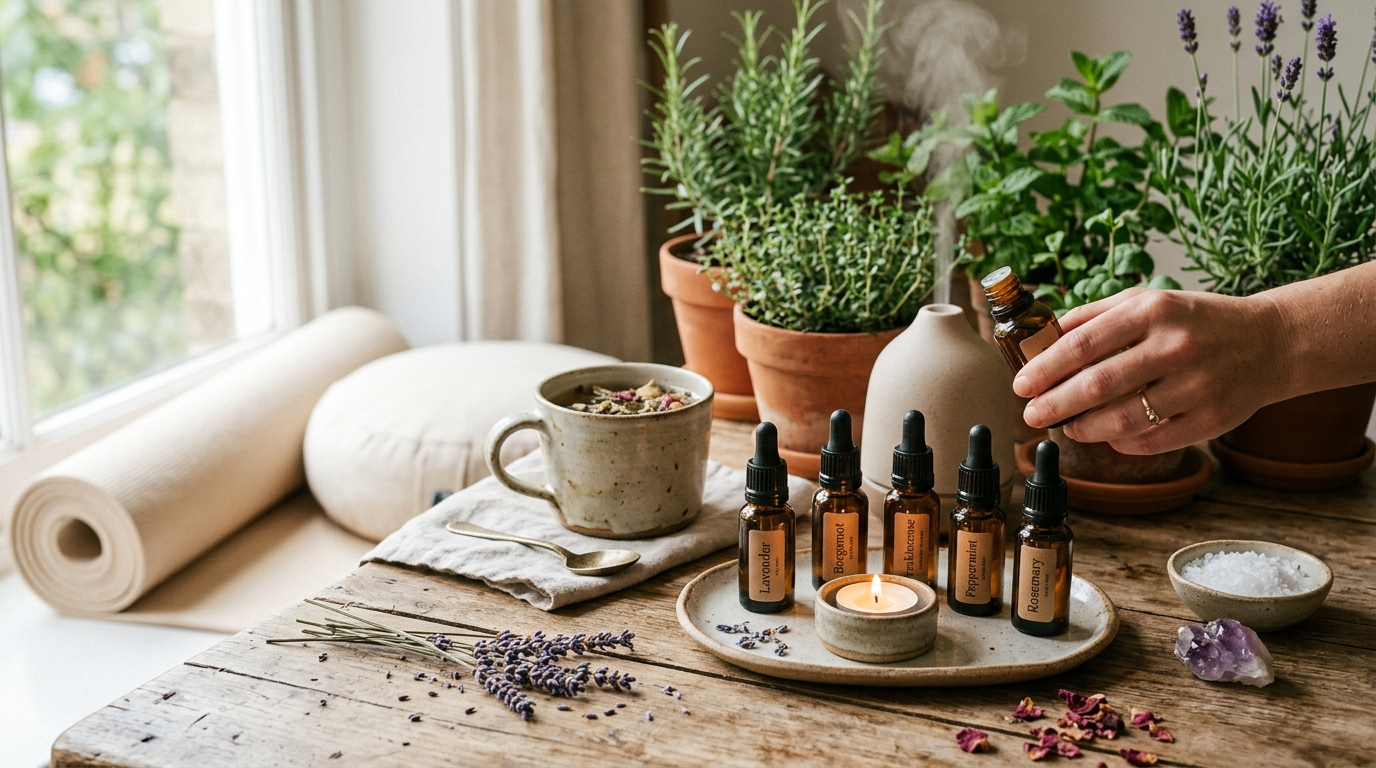
The gentle wisp of steam carrying the herbaceous scent of lavender, the bright, invigorating aroma of a freshly cut lemon peel, or the grounding depth of frankincense – essential oils offer more than just pleasant fragrances. They present an opportunity for intentional self-care, a mindful practice that connects us to the plant world and our own inner landscape. In an age of quick fixes, engaging with these concentrated plant essences invites us to slow down, listen to our bodies, and cultivate a deeper awareness of how we choose to nourish our well-being. This journey is one of respect, knowledge, and deliberate action, ensuring that our use of essential oils is both safe and deeply resonant.
Understanding Essential Oils: Nature’s Concentrated Gifts
Essential oils are the highly concentrated aromatic compounds extracted from plants – roots, stems, leaves, flowers, bark, or fruit peels. They are not simply “fragrance oils” or perfume oils; true essential oils are potent, volatile liquids distilled or expressed from botanical sources, carrying the characteristic scent and inherent properties of the plant from which they came. For centuries, across various cultures, these precious extracts have been cherished for their perceived therapeutic qualities, weaving their way into traditional healing practices, spiritual rituals, and everyday household uses. When we approach essential oils, we’re tapping into a lineage of wisdom, understanding that these are powerful tools deserving of our careful attention and respect. They are not merely ingredients; they are concentrated expressions of nature’s intricate chemistry, capable of influencing our sensory experiences and, through that, our emotional and physical states.
Prioritizing Safety: Dilution and Skin Sensitivity
The concentrated nature of essential oils means that safe application is paramount. Unlike herbal teas or tinctures, essential oils are incredibly potent, and improper use can lead to adverse reactions, including skin irritation, sensitization, or even systemic issues. The foundational principle for safe topical use is dilution.
Always Dilute: The Golden Rule
Applying undiluted (“neat”) essential oils directly to the skin is generally discouraged, even for seemingly mild oils. Dilution reduces the risk of skin irritation, burning, sensitization (developing an allergic reaction over time), and maximizes absorption without overwhelming the body. Carrier oils, such as jojoba, sweet almond, fractionated coconut oil, or grapeseed oil, are fatty vegetable oils that “carry” the essential oil, helping it spread over a larger surface area and slowing down its evaporation.
General dilution guidelines for adults are typically 1-2% for daily use or large areas, which translates to about 6-12 drops of essential oil per ounce (30ml) of carrier oil. For sensitive skin, children, the elderly, or those with compromised health, a lower dilution of 0.5% (3 drops per ounce) or less is often recommended. For acute, localized issues, a higher dilution of 3-5% might be considered for a short period, but this should be approached with caution and knowledge.
Patch Testing and Photosensitivity
Before applying a new essential oil or blend to a larger area of your body, always perform a patch test. Apply a small amount of the diluted oil to an inconspicuous area of skin, such as the inner forearm. Wait 24 hours to observe any redness, itching, burning, or discomfort. If irritation occurs, wash the area thoroughly with soap and water and discontinue use.
Additionally, some essential oils are photosensitive, meaning they can cause a severe sunburn or skin discoloration when exposed to UV light (sunlight or tanning beds). Common photosensitive oils include most citrus oils (bergamot, lemon, lime, orange, grapefruit, tangerine) and angelica root. If using these oils topically, apply them to areas not exposed to sunlight for at least 12-18 hours, or opt for steam distillation-derived citrus oils which have had the photosensitizing furanocoumarins removed.
Internal Use: A Cautious Note
For the purposes of general wellness and mindful practice, internal use of essential oils is best avoided unless under the direct supervision of a qualified healthcare practitioner with specific expertise in essential oil pharmacology and internal use. Essential oils are powerful, and their concentrated nature means that even small amounts can have significant effects on internal organs, potentially interacting with medications or exacerbating pre-existing conditions. Many essential oils are simply not safe for internal consumption. The safest and most widely applicable methods involve aromatic inhalation and topical application, which allow for profound benefits without the higher risks associated with ingestion. Always store essential oils in dark glass bottles, away from direct sunlight and heat, and out of reach of children and pets.
Methods of Mindful Application
Engaging with essential oils is an invitation to connect with your senses and your body’s subtle cues. The method of application can be chosen based on your intention and the specific oil’s properties.
Aromatic Inhalation: Breathing with Intention
Inhaling essential oils allows their volatile compounds to interact with our olfactory system, which is directly linked to the limbic system of the brain – the seat of emotions, memory, and instinct. This makes aromatic use particularly effective for influencing mood, promoting relaxation, or invigorating the mind.
- Diffusers: Ultrasonic diffusers disperse a fine mist of water and essential oil into the air, while nebulizing diffusers use air pressure to atomize pure essential oil. Diffusing for 15-30 minutes at a time in well-ventilated spaces is often sufficient. Consider diffusing calming oils like lavender or chamomile for evening relaxation, or uplifting oils like sweet orange or peppermint to refresh your workspace.
- Direct Inhalation: For a quick, personal boost, simply open the bottle, hold it a few inches from your nose, and inhale deeply for a few breaths. You can also place a drop or two on a tissue or cotton ball and inhale.
- Steam Inhalation: Add a few drops of essential oil (e.g., eucalyptus or tea tree) to a bowl of hot (not boiling) water. Drape a towel over your head and the bowl, and inhale the steam for 5-10 minutes. This method is particularly supportive for respiratory comfort but should be approached with caution, keeping eyes closed to avoid irritation and ensuring the water isn’t too hot.
Topical Application: Nourishing the Body’s Surface
When diluted and applied to the skin, essential oils are absorbed and can offer localized benefits, interacting with receptors in the skin and entering the bloodstream. The power of touch combined with aromatic compounds creates a potent ritual.
- Pulse Points and Temples: Apply diluted oils to areas where blood vessels are close to the surface, such as wrists, temples (avoiding eyes), neck, or behind the ears. This allows for both aromatic and systemic benefits.
- Massage: Incorporate diluted essential oils into a massage oil blend. A gentle self-massage can soothe tense muscles, promote relaxation, and nourish the skin. Consider frankincense or copaiba for grounding, or marjoram for muscle comfort.
- Warm Compresses: Add a few drops of essential oil to a bowl of warm water. Soak a cloth, wring out excess water, and apply it to an area of discomfort.
- Aromatic Baths: To prevent essential oils from sitting undiluted on the skin, always disperse them in a bath using an emulsifier. Mix 5-10 drops of essential oil with a tablespoon of a carrier oil, unscented liquid soap, Epsom salts, or a bath dispersant before adding to bathwater. This creates a deeply relaxing and aromatic experience.
Choosing Your Oils with Intention
The vast world of essential oils can feel overwhelming, but approaching selection with intention allows for a more meaningful experience. It’s not about owning every oil, but choosing those that genuinely resonate with your needs and support your personal wellness journey.
Quality Matters: Beyond “Therapeutic Grade”
The term “therapeutic grade” is a marketing term and not a regulated standard. When seeking essential oils, prioritize purity and ethical sourcing. Look for suppliers who provide: * Botanical Name: Ensure the species name is listed (e.g., Lavandula angustifolia for true lavender, not just “Lavender”). * Country of Origin: Provides insight into growing conditions and potential traditional uses. * Extraction Method: Distillation or expression are standard for true essential oils. * Purity Testing: Reputable companies often provide Gas Chromatography-Mass Spectrometry (GC/MS) reports, which verify the chemical constituents of the oil, indicating purity and absence of adulterants. * Sustainable and Ethical Sourcing: Support companies committed to environmental stewardship and fair practices.
Intuition and Personal Connection
Beyond scientific profiles, trust your own senses. What aromas draw you in? What feelings do certain scents evoke? Your body often knows what it needs. A citrus oil might uplift your spirits, while an earthy aroma like vetiver could provide grounding. Keep a journal of your experiences, noting how different oils affect your mood, energy, and overall well-being.
Consider popular oils for common intentions: * Lavender: Known for its calming and soothing properties, often used to promote restful sleep. * Peppermint: Invigorating and clarifying, supportive for focus and easing tension headaches. * Lemon: Uplifting and refreshing, often chosen for mood elevation and atmospheric cleansing. * Frankincense: Grounding and contemplative, traditionally used in meditation and for skin rejuvenation. * Tea Tree: Known for its purifying qualities, often used topically for skin concerns.
Remember that essential oils are tools for support and well-being, not cures for medical conditions.
Integrating Essential Oils into Your Wellness Practice
Essential oils are most effectively integrated into a holistic wellness approach that acknowledges the interconnectedness of mind, body, and spirit. They are not a standalone solution for health challenges, but rather complementary allies in a broader strategy for well-being.
Embrace essential oils as part of a larger tapestry of self-care practices. This might include a nourishing diet, regular movement, adequate sleep, stress management techniques, and meaningful social connections. Think of essential oils as gentle nudges, subtle anchors that can help you attune to your body’s needs and cultivate desired states. Perhaps you diffuse uplifting oils during your morning meditation, apply a calming blend to your pulse points before unwinding in the evening, or add a soothing oil to a foot bath after a long day. These intentional rituals deepen your connection to yourself and reinforce your commitment to a vibrant, balanced life.
Listen to your body, observe its responses, and adjust your practice as needed. If you have any underlying health conditions, are pregnant or nursing, or are taking medications, always consult with a qualified healthcare professional before incorporating essential oils into your routine. This ensures that your mindful use is also informed and safe.
Essential oils, when approached with intention, respect, and knowledge, can become cherished companions on your journey toward holistic well-being. By understanding their power and prioritizing safety, you can harness their subtle magic to cultivate deeper self-awareness and enrich your daily life, creating a vibrant Rainbow of Wellness unique to you.